
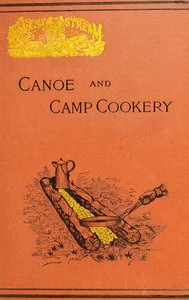
Canoe and Camp Cookery by Seneca
Forget everything you know about modern camping guides. 'Canoe and Camp Cookery' isn't about ultralight gear or high-tech gadgets. Written in the early 1900s by outdoorsman Seneca, this book is a straightforward manual for feeding a hungry crew on a long paddling trip. It walks you through the practicalities of planning a trip's food supply, packing it properly in wooden boxes (called 'wanigans'), and setting up an efficient camp kitchen. The heart of the book is the recipes themselves—from baking bread in a tin can to creating hearty stews and even desserts, all with just a fire, a frying pan, and a few basic ingredients.
Why You Should Read It
This book is a joy because it's so genuine. You can practically smell the woodsmoke and hear the sizzle of bacon. Seneca's voice is confident and no-nonsense, born from real experience. Reading it feels less like studying a manual and more like listening to an old-timer share hard-won wisdom. It makes you appreciate the simple satisfaction of a meal earned through effort. The techniques are a fascinating look at a self-reliant, make-do attitude that's largely been lost.
Final Verdict
Perfect for history-loving campers, canoeists, or anyone who enjoys rustic cooking and Americana. It's a short, charming read that will make your next camping trip feel more connected to the past. Don't expect glossy photos—the magic is in the practical text and the vivid imagination it sparks. Just be warned: you'll probably start planning a trip where you can bake a pie in a Dutch oven.
This masterpiece is free from copyright limitations. You do not need permission to reproduce this work.
Donna Torres
2 years agoI stumbled upon this title and it provides a comprehensive overview perfect for everyone. I would gladly recommend this title.
Robert Young
1 year agoEssential reading for students of this field.
Joseph Walker
1 year agoThe fonts used are very comfortable for long reading sessions.
Oliver Sanchez
1 year agoHonestly, it creates a vivid world that you simply do not want to leave. A valuable addition to my collection.






Ashley Garcia
7 months agoHaving read this twice, the flow of the text seems very fluid. I learned so much from this.