
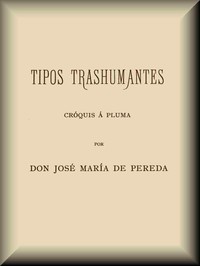
Tipos trashumantes: cróquis á pluma by José María de Pereda
Ever feel like classic literature can be a bit...stuffy? 'Tipos trashumantes' is the refreshing opposite. José María de Pereda, a master of Spanish realism, ditches the formal novel structure here. Instead, he gives us a series of sharp, observational sketches written 'á pluma'—with the pen. Think of it as a literary travel journal from the 1800s.
The Story
There's no single plot. The book is a collection of character studies and scenes Pereda witnessed or imagined while traveling through the Spanish countryside. Each chapter focuses on a different 'type' of person—the nomadic shepherd guiding his flock, the weary mule driver, the local farmer tied to his land. We see their struggles, hear their distinctive dialects, and get a raw, unfiltered look at their customs and hardships. It’s less about what happens to them and more about who they are in their own world.
Why You Should Read It
This book is a quiet masterpiece of observation. Pereda has this incredible eye for detail that makes everything come alive. You can almost smell the earth and feel the fatigue in a laborer's bones. His writing isn't sentimental; it's honest and often gritty, which makes the moments of simple human connection even more powerful. It pulls you directly into a time and place most history books gloss over, showing you the texture of ordinary life.
Final Verdict
Perfect for readers who love immersive historical writing, character sketches, and European literature. If you enjoy authors who make setting feel like a character itself, or if you’re curious about the social fabric of 19th-century Spain beyond kings and battles, you'll find this fascinating. It’s a short, impactful book that proves sometimes the most compelling stories aren't about epic events, but about the people living through them.
This work has been identified as being free of known copyright restrictions. You do not need permission to reproduce this work.
Andrew Sanchez
1 year agoUsed this for my thesis, incredibly useful.



Emily Thompson
6 months agoEssential reading for students of this field.